


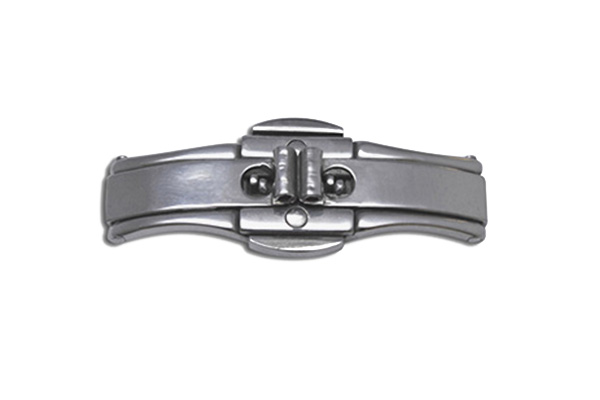
Part Size: 1-150 mm
Weight: 0.1-300 g
Tolerance: ±0.3%
Surface Finish: Ra 0.8–1.6 um
Materials: SS316L, 17-4PH, SS420, Ti Alloy etc
Density: ≥96–99% Wrought
Secondary Operations: CNC, Polishing, Laser Marking

Industry Expertise

Factory Price

OEM/ODM Services
MIM Camera Module Components are miniature precision parts used in smartphone cameras, surveillance cameras, and optical systems.
Metal Injection Molding combines the design flexibility of plastic injection molding with the strength and durability of metal materials, making it an ideal manufacturing process for miniature and high-precision electronic components.
Our custom MIM consumer electronics parts are manufactured using stainless steels, titanium alloys, magnetic materials, and specialty alloys to provide excellent mechanical performance, corrosion resistance, and aesthetic appearance.
Overview:
Metal Injection Molding is an ideal solution for camera components requiring:
-Ultra-high precision
-Miniaturized structures
-Tight dimensional tolerances
-Complex geometries
-Large-scale production capability
Available Materials
| Stainless Steel | 304L, 316L, 17-4 PH, 420, 430, 440 |
| Titanium Alloy | Ti-6Al-4V |
| Superalloys | Inconel, Hastelloy, Co-based Low Alloy Steels, 2-8% Ni (4600, 4650) |
| Magnetic Alloys | 2-6% Si-Fe, 50% Ni-Fe, 50% Co-Fe |
| Controlled Expansion Alloys | Fe-36Ni (Invar), F-15 (Kovar) |
| Electrical Materials | Pure Copper, Beryllium-Copper, Brass |
| Tool Steels | AISI M2, M3/2, M4, T15, M42, D2 |
| Heavy Alloys | Tungsten-Copper, W-Fe-Ni, Molybdenum-Copper, Custom compostions to suit customer specifications |
Material selection can be customized according to strength, wear resistance, corrosion resistance, and magnetic performance requirements.
Key Advantages:
● Exceptional Dimensional Accuracy
Ensures precise optical alignment.
● Miniaturization Capability
Supports increasingly compact camera designs.
● High Repeatability
Suitable for automated assembly lines.
● Cost-Effective Production
Ideal for consumer electronics manufacturing.
FAQ:
Why use MIM for camera modules?
Camera components require extremely tight tolerances and miniature structures, which MIM can provide efficiently.
What camera components are commonly produced?
Lens holders, autofocus mechanisms, brackets, actuator parts, and structural frames.
What are the advantages of MIM over CNC machining?
Compared with CNC machining, MIM offers:
Lower material waste
Reduced production cost
Better suitability for complex geometries
High-volume manufacturing capability
Improved assembly consistency
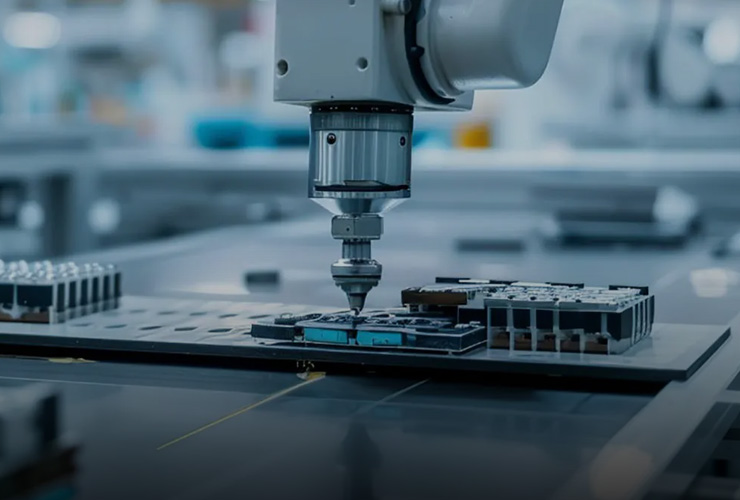
Industrial machinery and automation systems require durable mechanical components capable of operating under c...
View More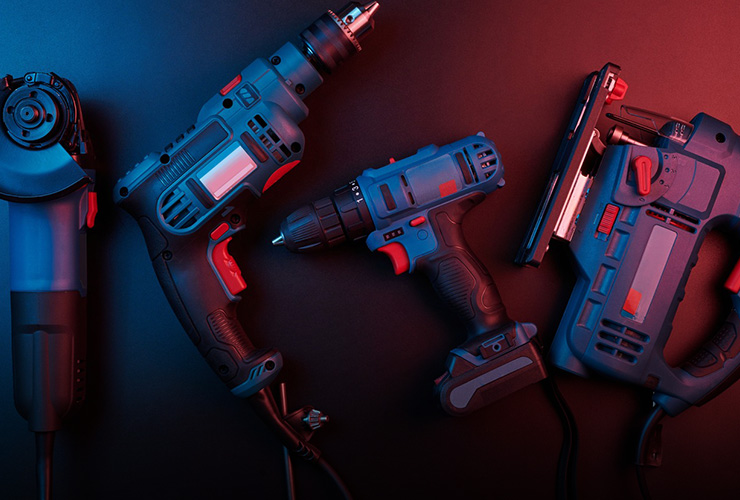
Power tools require durable metal components capable of withstanding high torque, vibration, and continuous op...
View More
The consumer electronics industry requires small, lightweight, and highly precise metal components. MIM techno...
View MoreBack to Top
