


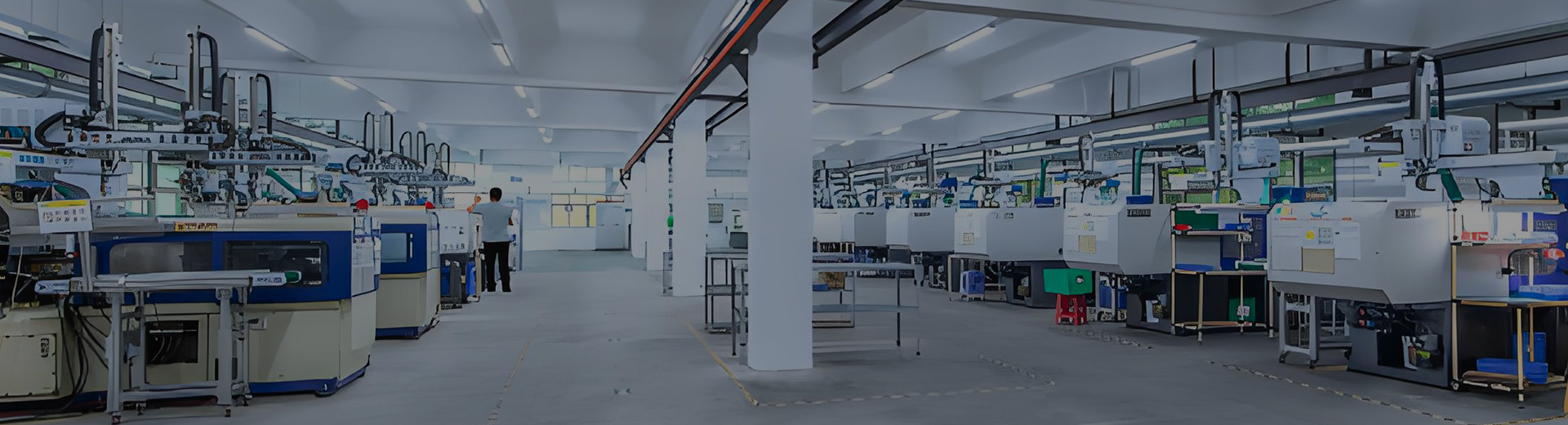
Precision PM & MIM Manufacturing for High-Performance Metal Components
Powder metallurgy (PM) and metal injection molding (MIM) technologies use a wide range of metal powders to produce high-precision components with excellent mechanical properties and cost efficiency.
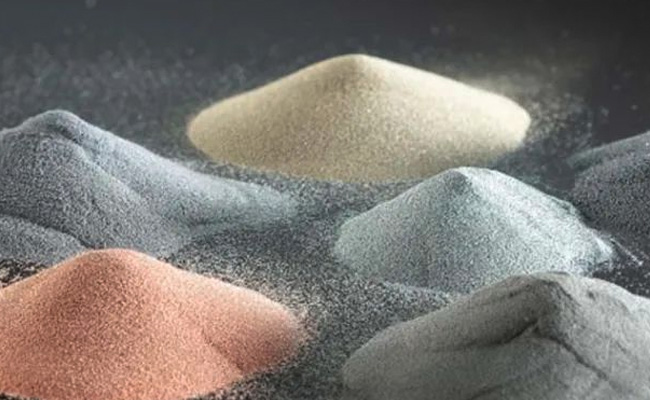
By selecting suitable materials and processing methods, both PM and MIM can produce complex metal parts used in industries such as automotive, industrial equipment, consumer electronics, and smart lock systems.
Common materials include stainless steel, alloy steel, soft magnetic materials, bronze alloys, and other specialty metal powders.
| Material Category | Material Type | Density (g/cm³) | Tensile strength (Mpa) | Hardness | Elongation (% in 25.4 mm) | Characteristics | Application |
| Stainless steel | 316L | 7.8 | 515 | 67HRB | 50 | Corrosion resistance | Horology parts, electronic component |
| Stainless steel | 304 | 7.8 | 515 | 63HRB | 50 | High strength | Electronic parts, micro-gears |
| Stainless steel | 420 | 7.7 | 1737 | 45HRC | 3.5 | High strength | Pneumatic machinery, cutlery, tools |
| Stainless steel | 440C | 7.6 | 1655 | 49HRC | 1 | Friction resistance, corrosion resistance | Hand tools, sporting equipment |
| Stainless steel | 17-4 PH (sintered) | 7.5 | 896 | 27HRC | 6 | Corrosion resistance and strength | Medical, dental, surgical parts |
| Stainless steel | 17-4 PH (Heat treatment) | 7.5 | 1186 | 33HRC | 6 | Corrosion resistance and strength | Medical, dental, surgical parts |
| Stainless steel | 17-4 PH(H900) | 7.7 | 1206 | 40HRC | 9 | Corrosion resistance and strength | Medical, dental, surgical parts |
| Stainless steel | 17-4 PH(H1100) | 7.7 | 1000 | 34HRC | 12 | Corrosion resistance and strength | Medical, dental, surgical parts |
| Stainless steel | P.A.N.A.C.E.A | 7.5 | 1090 | 300HV10 | 35 | Non-magnetic | Electronics |
| Fe-based alloy | 4605 (sintered) | 7.5 | 440 | 48HRB | 15 | Exceptional strength, good ductility | Consumer products, hand tools |
| Fe-based alloy | 4605 Low hardness | 7.5 | 1151 | 36HRC | 3 | Exceptional strength, good ductility | Consumer products, hand tools |
| Fe-based alloy | 4605 High hardness | 7.5 | 1655 | 48HRC | 2 | Exceptional strength, good ductility | Consumer products, hand tools |
| Fe-based alloy | Fe3%Si | 7.6 | 227 | 80HRB | 24 | High electrical resistance | Electrical parts |
| Fe-based alloy | Fe50%Ni | 7.8 | 468 | 50HRB | 30 | High permeability | Electrical parts |
| Fe-based alloy | Fe50Co | 7.95 | 300 | 80HRB | 1 | High permeability | Micro-motor |
| Copper | Copper alloy | 8.5 | 165 | — | 30 | Thermal & electrical conductivity | Heat conduction, electric conduction |
| Hard alloy | Nickel alloy | 8.6 | — | 53HRC | — | Electrical conductivity, corrosion resistance | Electrical parts, wristwatch parts |
| Titanium | Titanium alloy | 4.5 | 950 | 36HRC | 18 | Corrosion resistance, light weight | Medical parts |
| Special alloy | ASTM F15 (Kovar) | 7.7 | 450 | 65HRB | 25 | Controlled expansion | Splitter, micro-electronic parts |
| Special alloy | ASTM F75 | 8.3 | 992 | 25HRC | 30 | Bio-compatibility, wear resistance | Medical, orthopedics, dental parts |
| Special alloy | ASTM F1537 | 8.3 | 1103 | 32HRC | 27 | Bio-compatibility, corrosion resistance | Medical parts |
Special tolerance requirements can be achieved through secondary machining, such as CNC machining, lathe machining, and miling.
| Size | General manufacturing tolerances for MIM enterprises | General Case | Special Case |
| 1-4mm | +/-0.05 | +/-0.05 | +/-0.03 |
| 4-10mm | +/-0.10 | +/-0.07 | +/-0.05 |
| 10-20mm | +/-0.15 | +/-0.10 | +/-0.08 |
| 20-30mm | +/-0.25 | +/-0.15 | +/-0.10 |
| Characteristics | General range: | Special Scope | |
| Part dimensions | 0.2 - 50g | 0.09-200g | |
| Wall thickness | Above 0.5mm | Above0.25 |
Material selection plays a critical role in determining the mechanical strength, wear resistance, corrosion resistance, and magnetic performance of metal parts. When selecting materials for powder metallurgy or metal injection molding parts, engineers should consider the following factors
Corrosion resistance
Magnetic properties
Operating temperature
Dimensional tolerance
Surface finishing requirements
Proper material selection helps ensure optimal performance and cost-effective production.
Back to Top
