


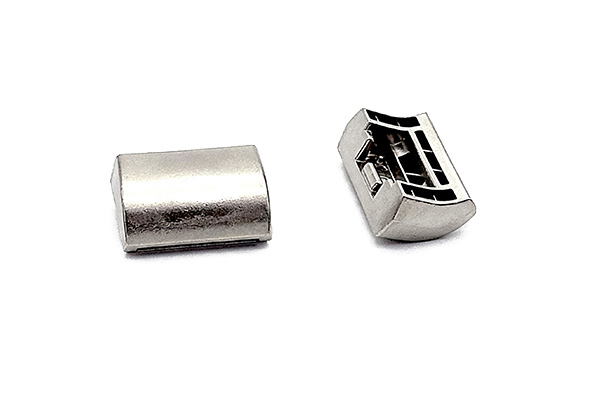
Part Size: 1-150 mm
Weight: 0.1-300 g
Tolerance: ±0.3%
Surface Finish: Ra 0.8–1.6 um
Materials: SS316L, 17-4PH, SS420, Ti Alloy etc
Density: ≥96–99% Wrought
Secondary Operations: CNC, Polishing, Laser Marking

Industry Expertise

Factory Price

OEM/ODM Services
MIM Electronic Lock Parts are high-precision metal components used in intelligent electronic locking systems. As electronic locks continue to evolve toward compact designs and multifunctional integration, manufacturers increasingly require miniature components with high precision, excellent appearance quality, and reliable mechanical performance.
Metal Injection Molding technology enables the cost-effective production of complex electronic lock components with tight tolerances and superior repeatability.
Typical applications include fingerprint locks, digital locks, hotel locks, cabinet locks, smart home systems, and IoT security devices.
Typical products include miniature gears, motor transmission parts, locking cams, sensor housings, structural components, actuator components, and decorative hardware parts.
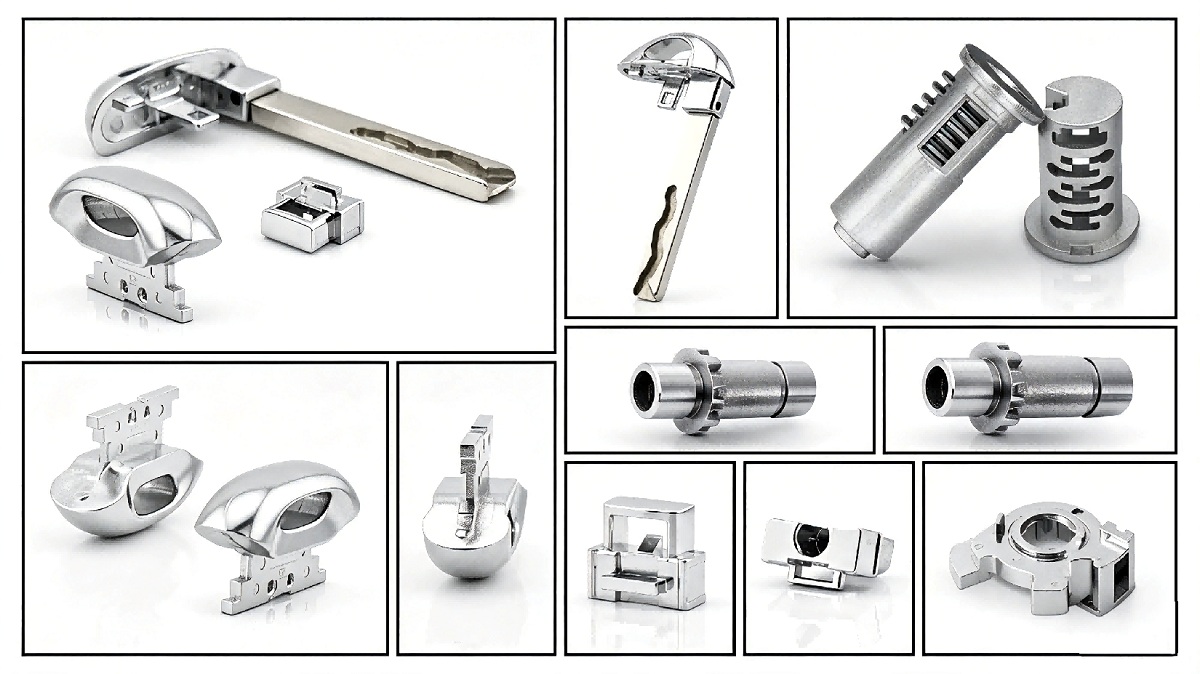
Available Materials:
| Stainless Steel | 304L, 316L, 17-4 PH, 420, 430, 440 |
| Titanium Alloy | Ti-6Al-4V |
| Superalloys | Inconel, Hastelloy, Co-based Low Alloy Steels, 2-8% Ni (4600, 4650) |
| Magnetic Alloys | 2-6% Si-Fe, 50% Ni-Fe, 50% Co-Fe |
| Controlled Expansion Alloys | Fe-36Ni (Invar), F-15 (Kovar) |
| Electrical Materials | Pure Copper, Beryllium-Copper, Brass |
| Tool Steels | AISI M2, M3/2, M4, T15, M42, D2 |
| Heavy Alloys | Tungsten-Copper, W-Fe-Ni, Molybdenum-Copper, Custom compostions to suit customer specifications |
Material selection can be customized according to strength, wear resistance, corrosion resistance, and magnetic performance requirements.
Key Advantages:
● Miniaturization capability
● Excellent dimensional consistency
● High mechanical strength
● Cost-effective high-volume production"
FAQ:
Why is MIM widely used in electronic locks?
Electronic locks contain many miniature mechanical components that require high dimensional accuracy and reliable performance. MIM allows these complex parts to be manufactured efficiently while reducing assembly complexity and production costs.
What are the advantages of MIM over CNC machining?
Compared with CNC machining, MIM offers:
Lower material waste
Reduced production cost
Better suitability for complex geometries
High-volume manufacturing capability
Improved assembly consistency
What materials are commonly used?
Typical materials include:
17-4PH Stainless Steel
316L Stainless Steel
Low Alloy Steel
Soft Magnetic Alloys
Can MIM produce miniature gears and actuator components?
Yes. MIM is particularly suitable for producing small gears, locking mechanisms, and intricate actuator components used in electronic lock systems."
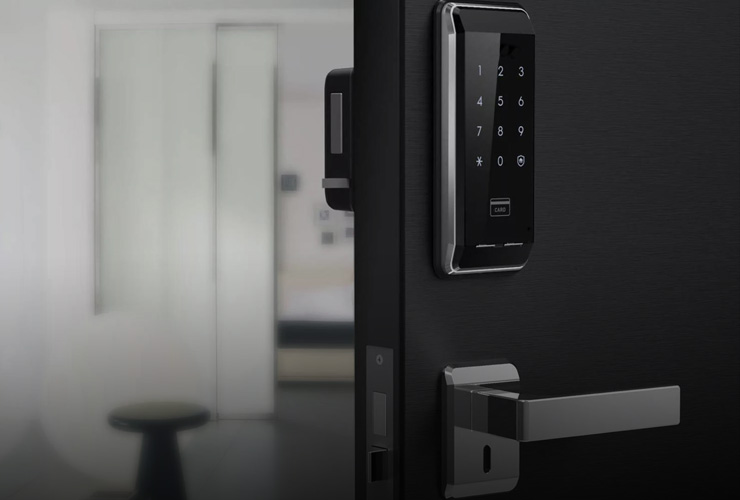
Metal Injection Molding (MIM) technology is widely used in modern security and smart lock systems where precis...
View More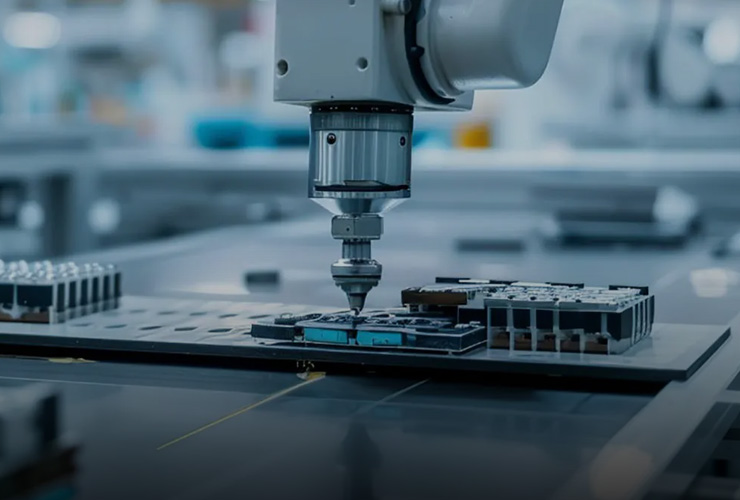
Industrial machinery and automation systems require durable mechanical components capable of operating under c...
View More
Household appliances rely on reliable and cost-efficient components to ensure smooth operation and long servic...
View MoreBack to Top
