


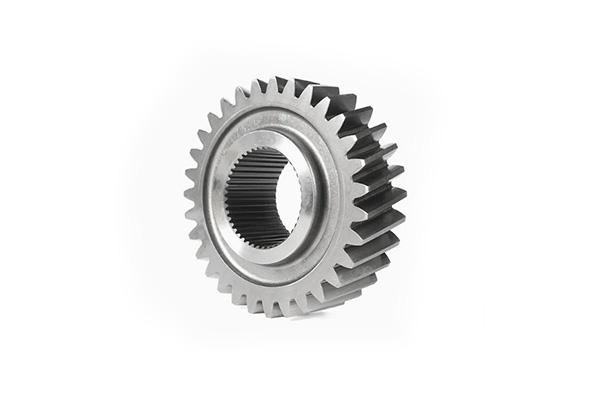
Part Size: 1-150 mm
Weight: 0.1-300 g
Tolerance: ±0.3%
Surface Finish: Ra 0.8–1.6 um
Materials: SS316L, 17-4PH, SS420, Ti Alloy etc
Density: ≥96–99% Wrought
Secondary Operations: CNC, Polishing, Laser Marking

Industry Expertise

Factory Price

OEM/ODM Services
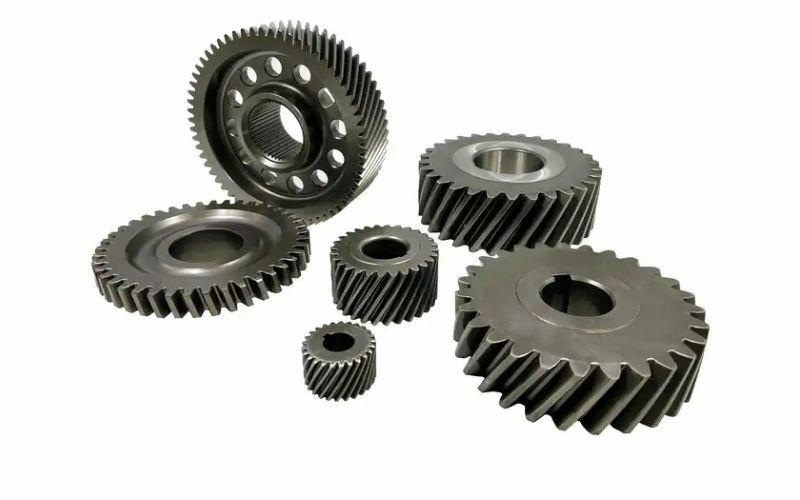
MIM Helical Gears are precision gears with angled teeth designed for smooth and quiet power transmission applications. Compared with spur gears, helical gears provide higher load capacity and lower noise levels.
Helical Gear is a cylindrical gear with helical teeth. Helical gears can withstand more loads than spur gears and work more quietly, and they are widely used in industry. Helical gear transmission is a widely used and concerned mechanical transmission mode. The transmission device plays a vital role in modern engineering. They are used to transmit power and motion to different mechanical parts, enabling a variety of work tasks. Among many transmission devices, helical gear transmission has been widely used in industry, automobile, aerospace, and other fields for its unique structural characteristics and excellent performance.
Overview:
Metal Injection Molding is ideal for helical gears requiring:
Complex tooth geometries
High transmission efficiency
Quiet operation
Tight dimensional tolerances
High-volume manufacturing
The working principle of Helical gears:
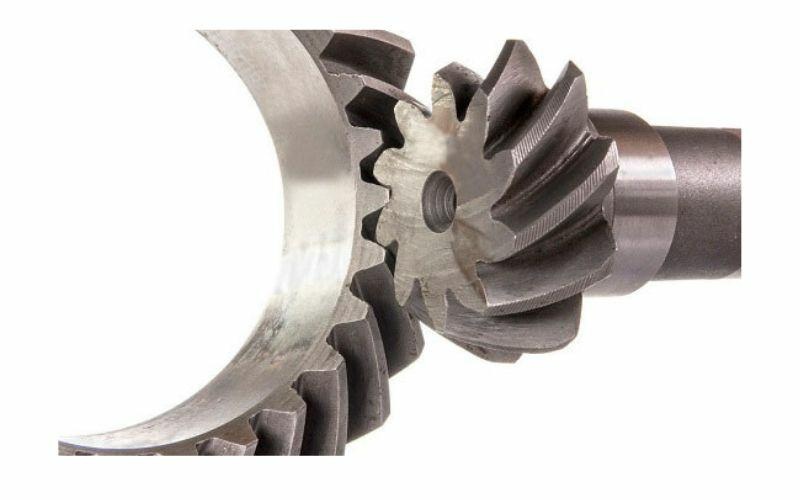
The working principle of helical gear drive is based on the meshing and rolling of the bevel helical teeth. When the helical gear rotates, the contact point between the helical teeth and the adjacent teeth gradually moves from the rim to the top of the teeth, so that the pressure between the gears gradually increases. This meshing mode has good contact performance and transmission smoothness.
Because of the bevel shape of the helical teeth, the helical gear generates axial and radial forces in the transmission process, which put forward certain requirements for the support and stability of the bearing and transmission device. Therefore, the effects of these forces need to be considered when designing and manufacturing spiral gear drives to ensure the reliability and stability of the drive.
Key Advantages:
● Smooth Transmission
Helical teeth provide gradual engagement and reduced vibration.
● Higher Load Capacity
Suitable for demanding mechanical systems.
● Reduced Noise
Ideal for precision devices and consumer products.
● Cost-Effective Production
Near-net-shape manufacturing minimizes machining.
FAQ:
What are the advantages of MIM helical gears?
-MIM enables complex tooth geometries with excellent precision and lower manufacturing costs.
Can MIM produce miniature helical gears?
-Yes. MIM is particularly suitable for miniature precision transmission systems.
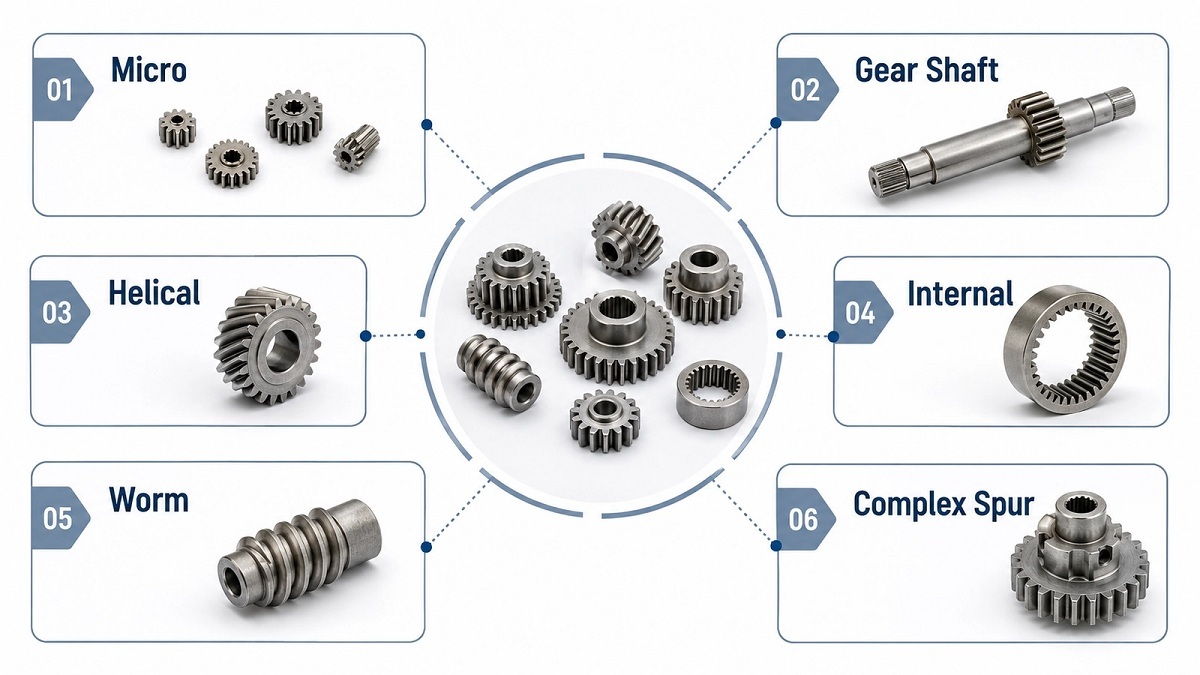
MIM Gear Types Commonly Reviewed for Production
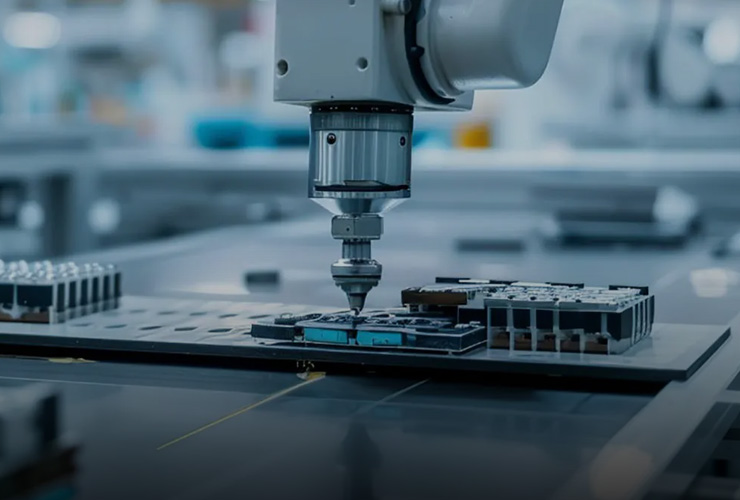
Industrial machinery and automation systems require durable mechanical components capable of operating under c...
View More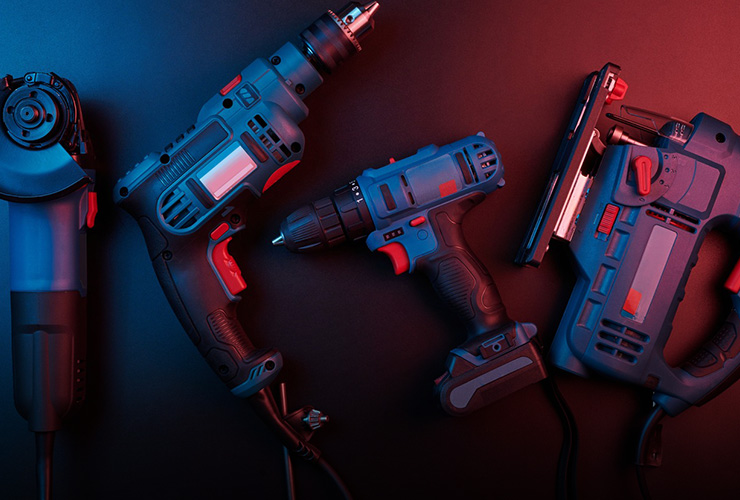
Power tools require durable metal components capable of withstanding high torque, vibration, and continuous op...
View More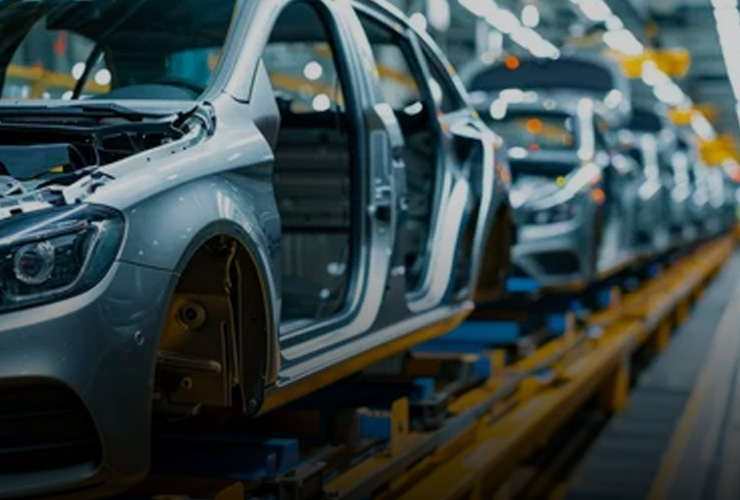
The automotive industry requires precision metal components that meet strict performance and durability standa...
View MoreBack to Top
