


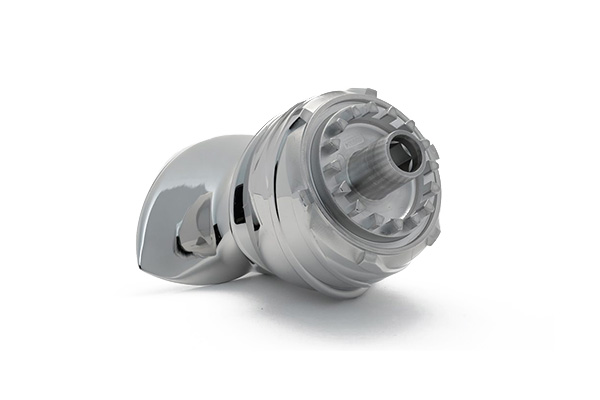
Part Size: 1-150 mm
Weight: 0.1-300 g
Tolerance: ±0.3%
Surface Finish: Ra 0.8–1.6 um
Materials: SS316L, 17-4PH, SS420, Ti Alloy etc
Density:≥96–99% Wrought
Secondary Operations: CNC, Polishing, Laser Marking

Industry Expertise

Factory Price

OEM/ODM Services
MIM Power Tool Components are precision metal parts used in electric and cordless tools requiring high strength and durability.
Typical products include transmission components, locking mechanisms, actuator parts, structural components, and gears.
Metal Injection Molding combines the design flexibility of plastic injection molding with the strength and durability of metal materials, making it particularly suitable for producing miniature and complex power tool components that are difficult or costly to manufacture through conventional machining, die casting, or investment casting."
Key system components are developed according to customer drawings, CAD files, material requirements, tolerance requirements, surface finish needs and production volume. Customization must be reviewed together with MIM manufacturability, tooling feasibility, shrinkage behavior and inspection strategy.
Overview:
Metal Injection Molding is suitable for power tool applications requiring:
High wear resistance
High strength
Complex geometries
Cost-effective mass production
Key Advantages:
● Excellent Mechanical Performance
Suitable for high-load operating conditions.
● Reduced Manufacturing Costs
Ideal for OEM production.
● High Precision
Ensures assembly consistency.
● Long Service Life
Excellent fatigue and wear resistance.
FAQ:
Why is MIM widely used in power tools?
MIM enables complex and durable components while reducing machining costs.
When should I choose MIM instead of CNC machining or stamping?
Choose MIM when the part is small, metal, geometrically complex and needed in repeat production volume. CNC may be better for low-volume prototypes or highly localized precision features. Stamping may be better for flat sheet-metal parts. MIM becomes more attractive when the part has 3D features, holes, hooks, bosses, pivots and compact functional geometry that would be costly to machine or stamp.
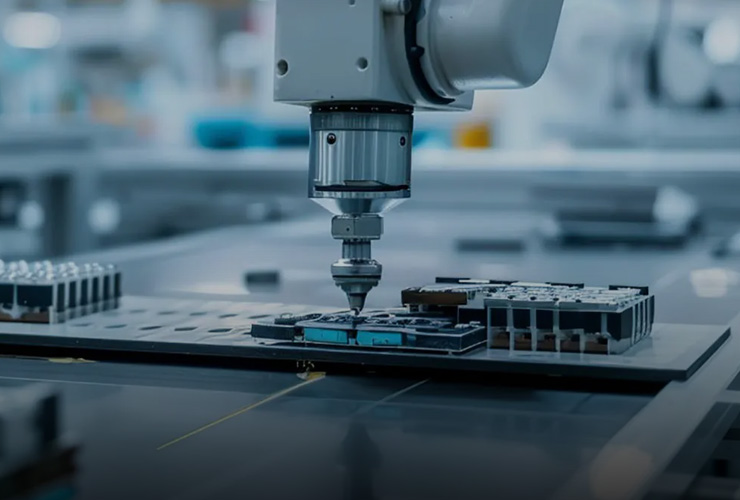
Industrial machinery and automation systems require durable mechanical components capable of operating under c...
View More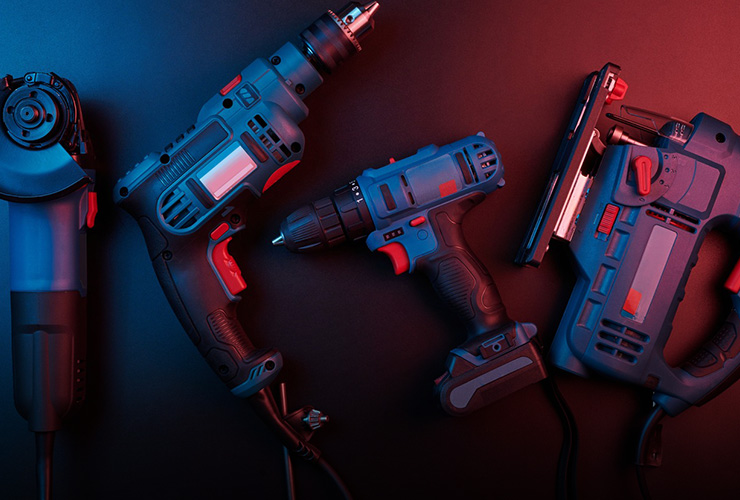
Power tools require durable metal components capable of withstanding high torque, vibration, and continuous op...
View More
Household appliances rely on reliable and cost-efficient components to ensure smooth operation and long servic...
View MoreBack to Top
