


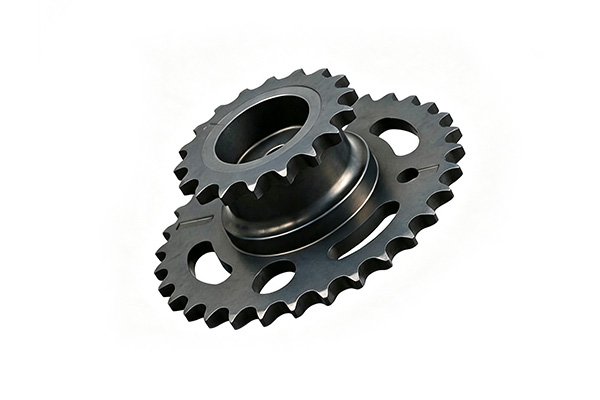
Part Size: 1-150 mm
Weight: 0.1-300 g
Tolerance: ±0.3%
Surface Finish: Ra 0.8–1.6 um
Materials: SS316L, 17-4PH, SS420, Ti Alloy etc
Density: ≥96–99% Wrought
Secondary Operations: CNC, Polishing, Laser Marking

Industry Expertise

Factory Price

OEM/ODM Services
Metal Injection Molding (MIM) sprockets combine the geometric flexibility of plastic injection molding with the high strength and durability of genuine metal parts. The process involves mixing ultra-fine metal powders with a polymer binder to form a feedstock, injecting it into custom molds, and then debinding and sintering the component to near-total density. This technique is ideal for producing complex, high-precision sprockets in mass production volumes where traditional machining would be too costly or wasteful.
MIM sprockets are typically manufactured from a broad range of high-performance alloys. Hard-wearing low-alloy steels (such as 4605, 8620, or 4140) are frequently used because they respond beautifully to surface hardening, carburizing, or nitriding to maximize tooth lifecycle. For highly corrosive or sterile environments, stainless steel grades like 17-4PH and 316L provide exceptional durability and corrosion resistance.
Core Benefits of MIM Sprockets:
Geometric Freedom: Complex details like lightweight internal pockets, multi-level hubs, keys, or custom tooth profiles can be molded into a single, net-shape component.
Wear & Fatigue Resistance: Highly uniform microstructure eliminates defects like casting voids, allowing components like engine timing sprockets to handle severe cyclic fatigue.
Near-Zero Material Waste: Achieves nearly 100% material utilization because the raw feedstock is shaped directly into the mold cavity, saving on expensive metal alloy scrap.
Overview:
Metal Injection Molding is ideal for sprockets requiring:
High wear resistance
Precision tooth profiles
Compact geometries
High-volume production
Key Advantages:
● Precision Manufacturing
Ensures smooth chain engagement.
● Excellent Wear Resistance
Improves service life.
● Cost-Effective Production
Suitable for medium and high production volumes.
FAQ:
Can MIM produce precision sprockets?
Yes. MIM provides excellent dimensional consistency and tooth profile accuracy.
When should I choose MIM instead of CNC machining or stamping?
Choose MIM when the part is small, metal, geometrically complex and needed in repeat production volume. CNC may be better for low-volume prototypes or highly localized precision features. Stamping may be better for flat sheet-metal parts. MIM becomes more attractive when the part has 3D features, holes, hooks, bosses, pivots and compact functional geometry that would be costly to machine or stamp.
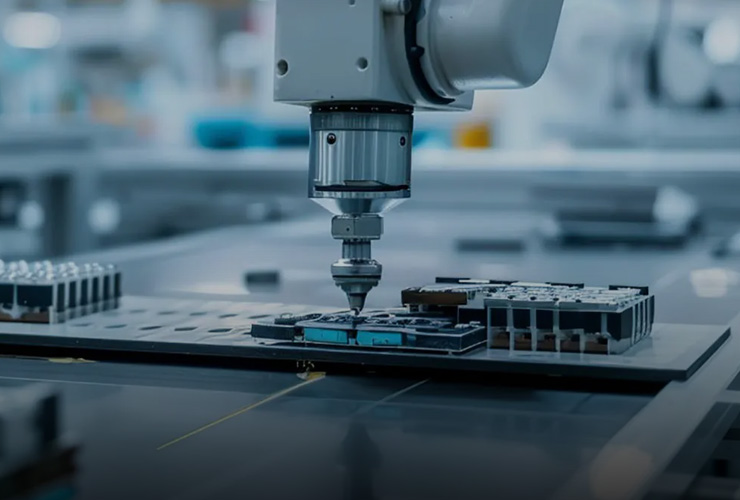
Industrial machinery and automation systems require durable mechanical components capable of operating under c...
View More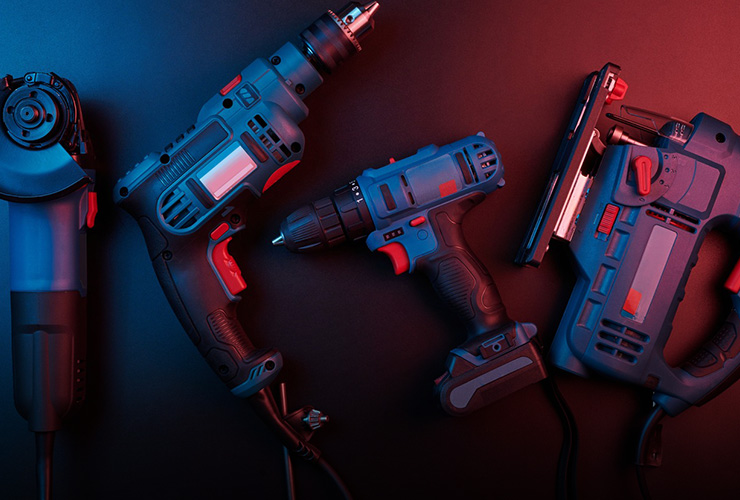
Power tools require durable metal components capable of withstanding high torque, vibration, and continuous op...
View More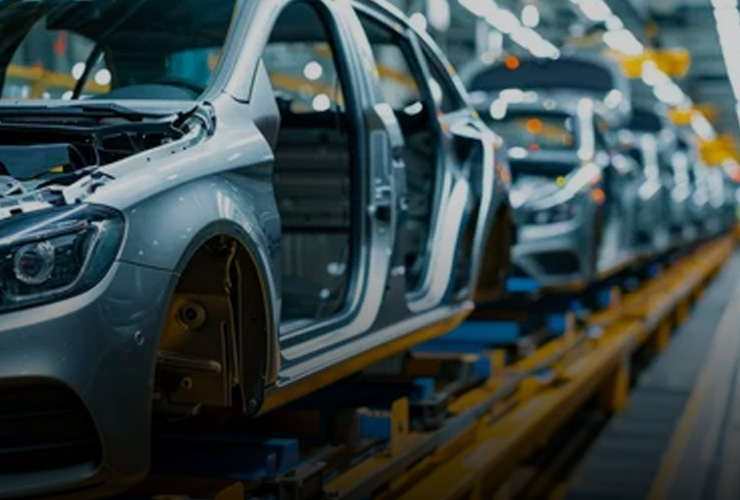
The automotive industry requires precision metal components that meet strict performance and durability standa...
View MoreBack to Top
