


Part Size: 1-150 mm
Weight: 0.1-300 g
Tolerance: ±0.3%
Surface Finish: Ra 0.8–1.6 um
Materials: SS316L, 17-4PH, SS420, Ti Alloy etc
Density: ≥96–99% Wrought
Secondary Operations: CNC, Polishing, Laser Marking

Industry Expertise

Factory Price

OEM/ODM Services
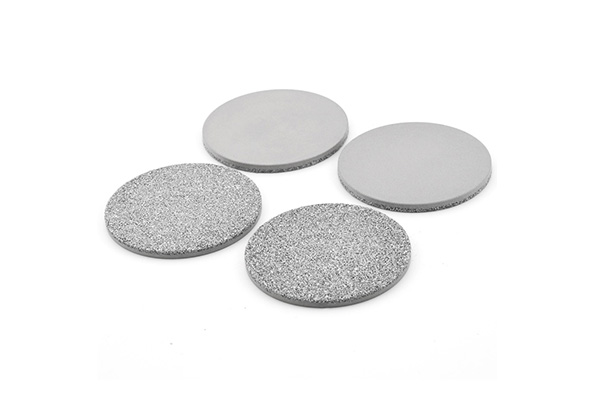
PM Porous Metal Filters are precision filtration components manufactured through conventional Powder Metallurgy technology using controlled sintering processes. Unlike traditional powder metal structural parts that aim for high density and mechanical strength, porous metal filters are intentionally produced with interconnected porosity to achieve efficient gas and liquid filtration performance.
These filters provide excellent permeability, corrosion resistance, high-temperature capability, and long service life, making them widely used in pneumatic systems, chemical processing, medical equipment, food processing, hydraulic systems, and industrial automation.
Compared with Metal Injection Molding (MIM), Powder Metallurgy is particularly suitable for porous products because PM technology can precisely control pore size, porosity, and permeability. MIM technology generally aims for near-full density and is therefore not suitable for producing porous filtration components.
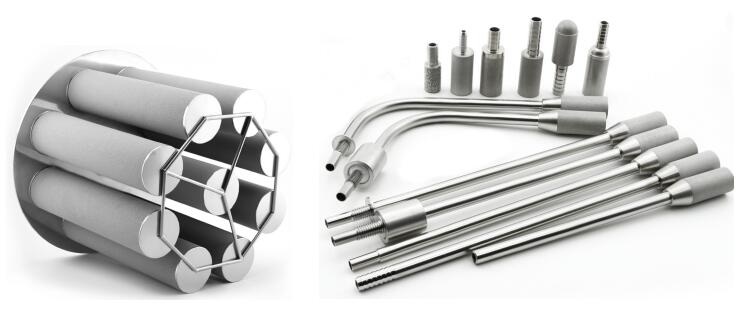
Typical products include filter discs, filter tubes, silencers, spargers, air breathers, fluidization plates, and custom porous metal elements."
Overview:
Powder Metallurgy is an ideal manufacturing process for porous metal filters requiring:
Controlled porosity
Uniform pore distribution
High permeability
Corrosion resistance
High-temperature resistance
Mechanical strength
Long service life
High-volume production capability
Unlike MIM technology, PM porous filters intentionally maintain interconnected pore structures, allowing efficient filtration, gas diffusion, pressure regulation, and noise reduction.
PM technology is best suited for medium-sized filtration components with relatively simple geometries, while highly intricate miniature components with complex features may require alternative manufacturing technologies."
Filter Structure Types :
1. Sintered Metal Filter Disc
2. Sintered Stainless Steel Tube
3. Stainless Steel Cartridge Filter
4. Sintered Metal Filter Plate
5. Porous Metal Sheet
6. Cup Style Filter
Available Materials:
| Material Category | Typical Grades |
| Stainless Steel | 304L,316L,310S |
| Bronze | CuSn10,CuSn8 |
| Nickel Materials | Pure Nickel,Ni Alloys |
| Titanium Materials | Pure Ti,Ti Aloys |
| Special Alloys | MonelHastelloy,Inconel |
Typical Technical Capabilities:
| Item | Typical Range |
| Filtration Rating | 0.5-200 μm |
| Porosity | 20-50% |
| Maximum Operating Temperature | Up to 900℃ |
| Shape Options | Disc,Tube,Cone,Cup,Plate |
| Diameter Range | 5- 300 mm |
| Thickness Range | 1- 50 mm |
Key Advantages:
● Controlled Porosity
Precisely controlled pore structures provide stable filtration efficiency and permeability.
● Excellent Corrosion Resistance
Suitable for aggressive environments involving chemicals, moisture, and gases.
● High Temperature Resistance
Can operate in high-temperature environments where polymer filters cannot be used.
● Excellent Mechanical Strength
Higher strength and longer service life compared with conventional filter media.
● Reusable and Cleanable
Filters can be cleaned and reused repeatedly, significantly reducing operating costs.
FAQ:
What is a porous metal filter?
A porous metal filter is a sintered component manufactured with interconnected pores that allow controlled filtration of liquids and gases.
Why choose powder metallurgy for porous filters?
Powder Metallurgy provides excellent control over porosity and permeability while maintaining high mechanical strength and corrosion resistance.
Can porous metal filters be cleaned and reused?
Yes. Most PM porous filters can be cleaned through backflushing, ultrasonic cleaning, or chemical cleaning and reused multiple times.
What filtration accuracy can be achieved?
Typical filtration ratings range from 0.5 μm to 200 μm depending on powder particle size and sintering conditions.
Are porous metal filters suitable for high temperatures?
Yes. Stainless steel porous filters can operate continuously at temperatures exceeding 500°C, while special alloys may withstand even higher temperatures.
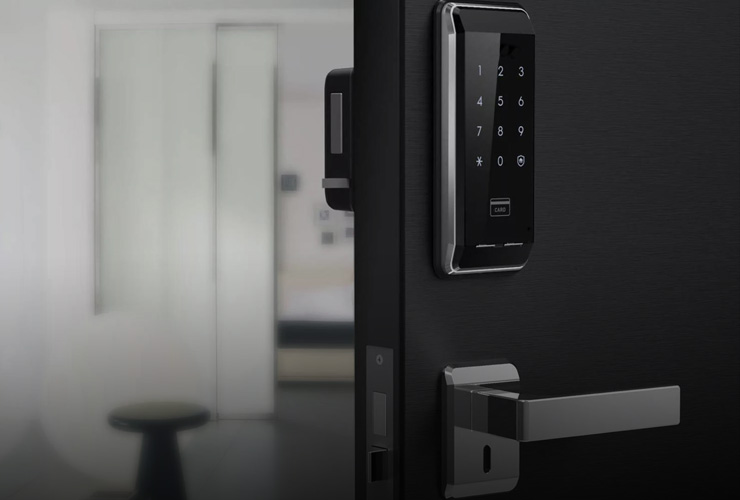
Metal Injection Molding (MIM) technology is widely used in modern security and smart lock systems where precis...
View More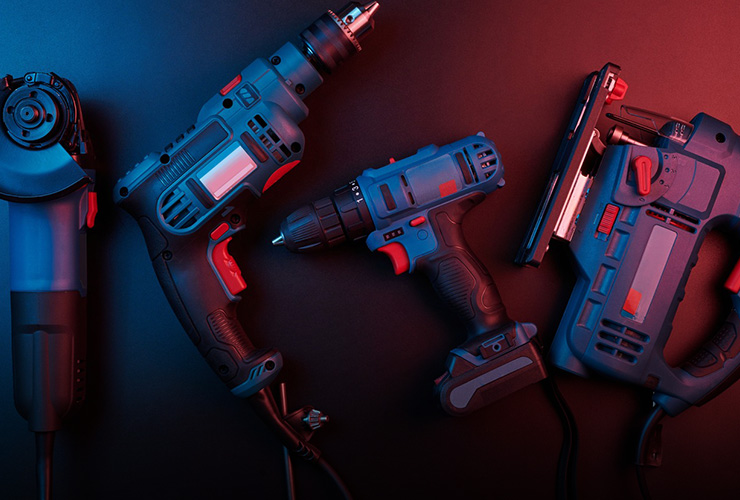
Power tools require durable metal components capable of withstanding high torque, vibration, and continuous op...
View More
The consumer electronics industry requires small, lightweight, and highly precise metal components. MIM techno...
View MoreBack to Top
