


Part Size: 1-150 mm
Weight: 0.1-300 g
Tolerance: ±0.3%
Surface Finish: Ra 0.8–1.6 um
Materials: SS316L, 17-4PH, SS420, Ti Alloy etc
Density: ≥96–99% Wrought
Secondary Operations: CNC, Polishing, Laser Marking

Industry Expertise

Factory Price

OEM/ODM Services
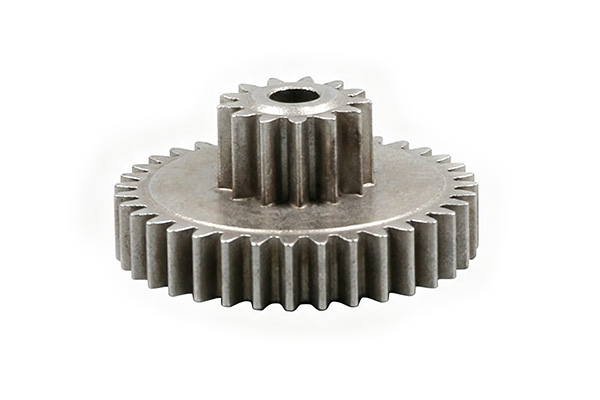
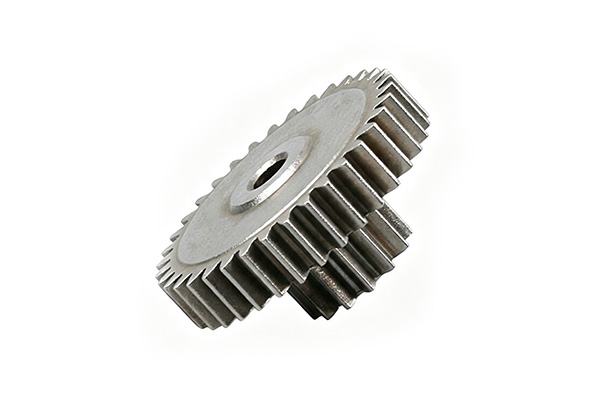
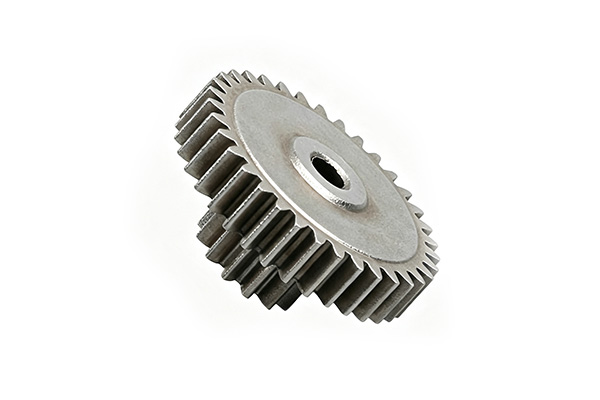
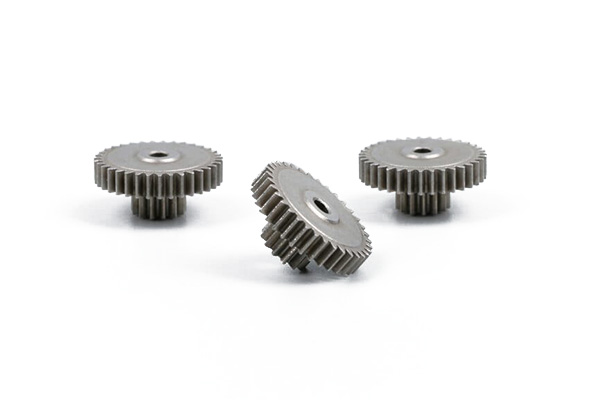
Powder Metal Spur Gears are precision transmission components manufactured through Powder Metallurgy (PM) technology for a wide range of mechanical power transmission applications. Spur gears are the most commonly used gear type due to their simple design, high transmission efficiency, and cost-effective production.
Powder Metallurgy enables the near-net-shape manufacturing of gears with excellent dimensional consistency, high production efficiency, and reduced machining requirements, making PM spur gears an ideal solution for medium- and high-volume production.
Typical applications include automotive systems, electric tools, household appliances, office equipment, industrial machinery, and smart locking systems."
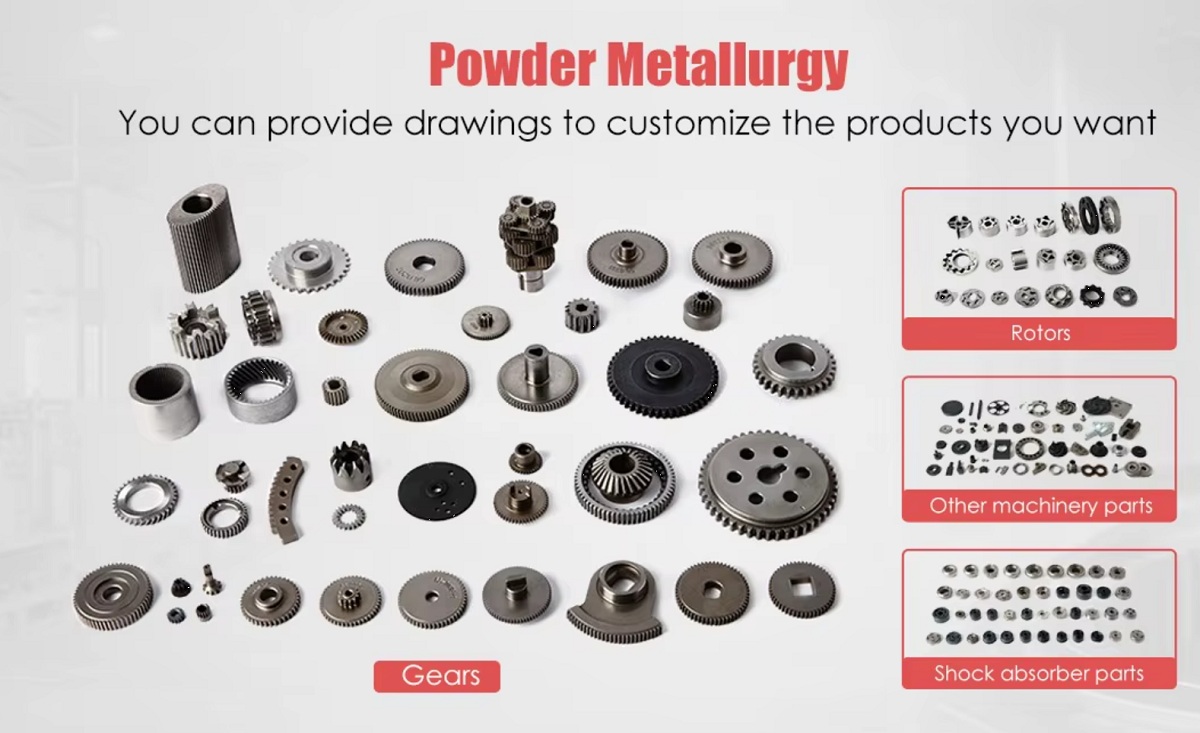
Overview:
Powder Metallurgy is ideal for spur gears requiring:
High-volume production
Cost-effective manufacturing
Good dimensional consistency
Complex integrated geometries
Reduced secondary machining
Excellent wear resistance
Compared with conventional machining and hobbing processes, PM gears significantly reduce material waste and production costs."
Available Materials
| Stainless Steel | 304L, 316L, 17-4 PH, 420, 430, 440 |
| Titanium Alloy | Ti-6Al-4V |
| Superalloys | Inconel, Hastelloy, Co-based Low Alloy Steels, 2-8% Ni (4600, 4650) |
| Magnetic Alloys | 2-6% Si-Fe, 50% Ni-Fe, 50% Co-Fe |
| Controlled Expansion Alloys | Fe-36Ni (Invar), F-15 (Kovar) |
| Electrical Materials | Pure Copper, Beryllium-Copper, Brass |
| Tool Steels | AISI M2, M3/2, M4, T15, M42, D2 |
| Heavy Alloys | Tungsten-Copper, W-Fe-Ni, Molybdenum-Copper, Custom compostions to suit customer specifications |
Material selection can be customized according to strength, wear resistance, corrosion resistance, and magnetic performance requirements.
Powder Metallurgy is particularly suitable for medium-complexity gears and high-volume production where cost efficiency is critical.
For highly intricate geometries such as miniature gears, multi-level gear systems, internal undercuts, thin-wall structures, and integrated transmission components, Metal Injection Molding (MIM) may provide a more suitable manufacturing solution.
This complementary manufacturing capability allows us to provide both Powder Metallurgy and Metal Injection Molding solutions according to customer performance and cost requirements.
| Geometry Features | PM | MIM |
| Small module geas(<0.5) | Limited | Excellent |
| Internal undercuts | Difficult | Excellent |
| Multi-level gears | Limited | Excellent |
| Thin wall structures(<0.5mm) | Difficult | Excellent |
| Cross holes | Limited | Excellent |
| Miniature gears(<10mm OD) | Difficult | Excellent |
| Integrated assemblies | Limited | Excellent |
| Helical internal gears | Very diffcult | Excellent |
| Complex planetary gears | Limited | Excellent |
For miniature gears, multi-level gears, integrated transmission components, and highly intricate designs, please also explore our Metal Injection Molding Gear Solutions.
FAQ:
What is the difference between Powder Metal gears and MIM gears?
Powder Metallurgy gears are generally preferred for medium and large production volumes of simple to moderately complex transmission components due to their excellent cost efficiency and larger size capability.
Metal Injection Molding gears are more suitable for miniature and highly complex components requiring intricate geometries, thin walls, undercuts, or integrated functional features.
By offering both technologies, we can recommend the most suitable manufacturing process based on component geometry, performance requirements, production volume, and target cost.
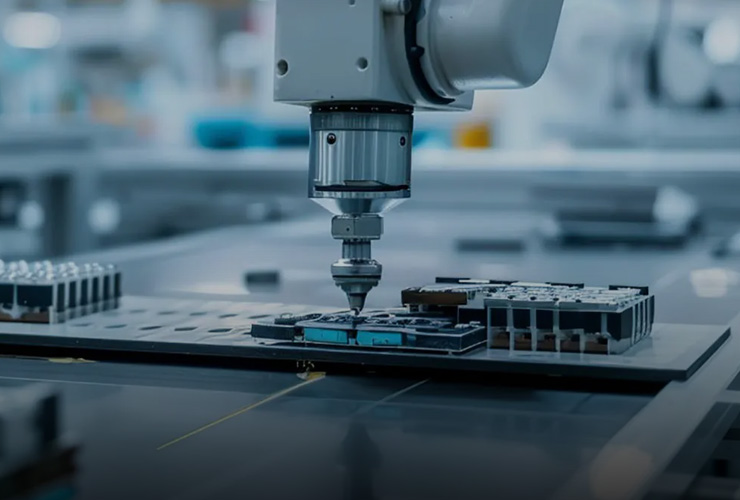
Industrial machinery and automation systems require durable mechanical components capable of operating under c...
View More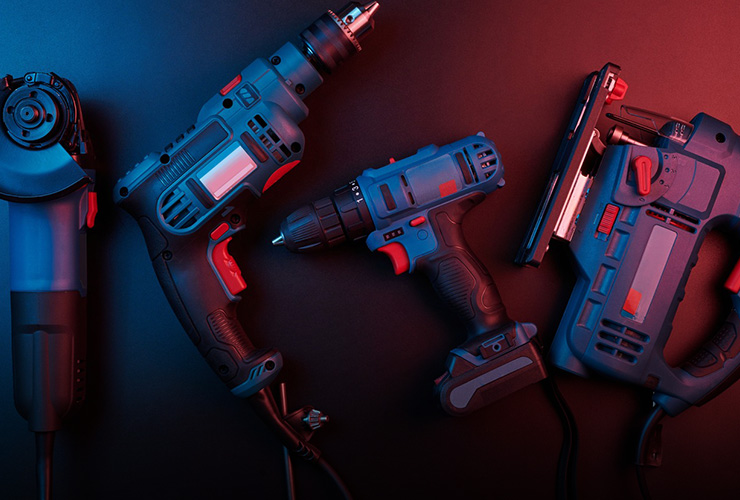
Power tools require durable metal components capable of withstanding high torque, vibration, and continuous op...
View More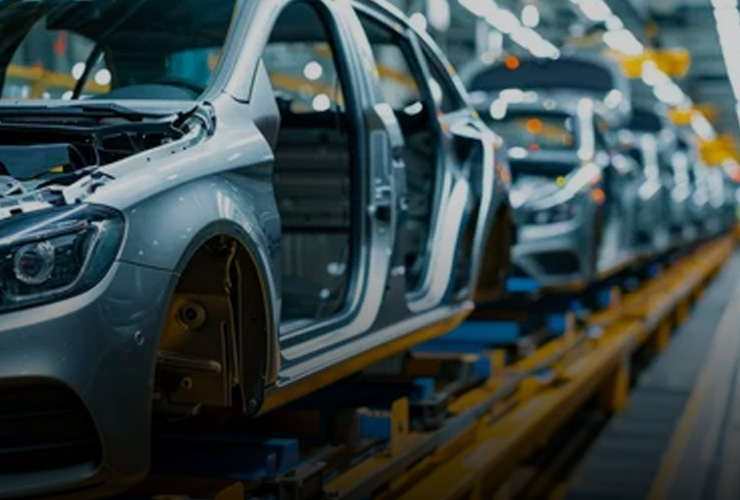
The automotive industry requires precision metal components that meet strict performance and durability standa...
View MoreBack to Top
