


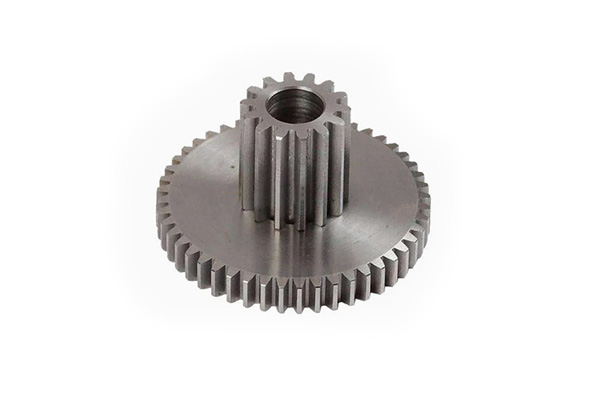
Part Size: 1-150 mm
Weight: 0.1-300 g
Tolerance: ±0.3%
Surface Finish: Ra 0.8–1.6 um
Materials: SS316L, 17-4PH, SS420, Ti Alloy etc
Density: ≥96–99% Wrought
Secondary Operations: CNC, Polishing, Laser Marking

Industry Expertise

Factory Price

OEM/ODM Services
Powder Metal Planetary Gears are precision transmission components used in compact gear systems requiring high torque density.
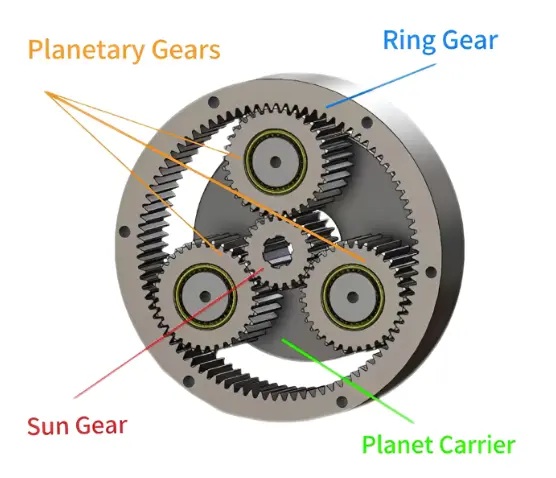
4 Core Components in planetary system:
Ring Gear:
The outermost annular component with teeth on the inner side, which can be fixed or used as an input or output end.
Sun Gear:
The gear located at the exact center of the planetary transmission gear, generally used as an input end or fixed end to drive the planetary gears to rotate.
Planetary Gears:
Evenly distributed around the sun gear, meshing with both the sun gear and the ring gear, rotating on their own axes while revolving around the sun gear.
Planet Carrier:
A component used to install and support the planetary gears, usually serving as the output end to transmit torque and power.
Key system components are developed according to customer drawings, CAD files, material requirements, tolerance requirements, surface finish needs and production volume. Customization must be reviewed together with MIM manufacturability, tooling feasibility, shrinkage behavior and inspection strategy.
Key Advantages of Planetary Transmission Gear:
1. Small size and compact structure
Under the same power and torque, it is smaller and lighter than ordinary gearboxes.
2.Large load capacity and high torque
Multiple gears bear force at the same time, which can bear a larger load and transmit higher torque.
3.Wide speed ratio range
It can be designed as single-stage, two-stage or multi-stage according to different needs, and the speed ratio can be selected from small to large.
4.High transmission efficiency
It can reduce friction and heat generation, with less power loss and high efficiency.
5.Stable operation and low noise
Uniform force, small vibration and relatively quiet operation.
6.Good rigidity and long service life
Durable, not easy to break, suitable for long-term continuous work.
Powder Metallurgy is particularly suitable for medium-complexity gears and high-volume production where cost efficiency is critical.
For highly intricate geometries such as miniature gears, multi-level gear systems, internal undercuts, thin-wall structures, and integrated transmission components, Metal Injection Molding (MIM) may provide a more suitable manufacturing solution.
This complementary manufacturing capability allows us to provide both Powder Metallurgy and Metal Injection Molding solutions according to customer performance and cost requirements.
| Geometry Features | PM | MIM |
| Small module geas(<0.5) | Limited | Excellent |
| Internal undercuts | Difficult | Excellent |
| Multi-level gears | Limited | Excellent |
| Thin wall structures(<0.5mm) | Difficult | Excellent |
| Cross holes | Limited | Excellent |
| Miniature gears(<10mm OD) | Difficult | Excellent |
| Integrated assemblies | Limited | Excellent |
| Helical internal gears | Very diffcult | Excellent |
| Complex planetary gears | Limited | Excellent |
For miniature gears, multi-level gears, integrated transmission components, and highly intricate designs, please also explore our Metal Injection Molding Gear Solutions.
FAQ:
What are the advantages of PM planetary gears?
PM gears provide excellent cost efficiency and stable quality for high-volume production.
What is the difference between Powder Metal gears and MIM gears?
Powder Metallurgy gears are generally preferred for medium and large production volumes of simple to moderately complex transmission components due to their excellent cost efficiency and larger size capability.
Metal Injection Molding gears are more suitable for miniature and highly complex components requiring intricate geometries, thin walls, undercuts, or integrated functional features.
By offering both technologies, we can recommend the most suitable manufacturing process based on component geometry, performance requirements, production volume, and target cost.
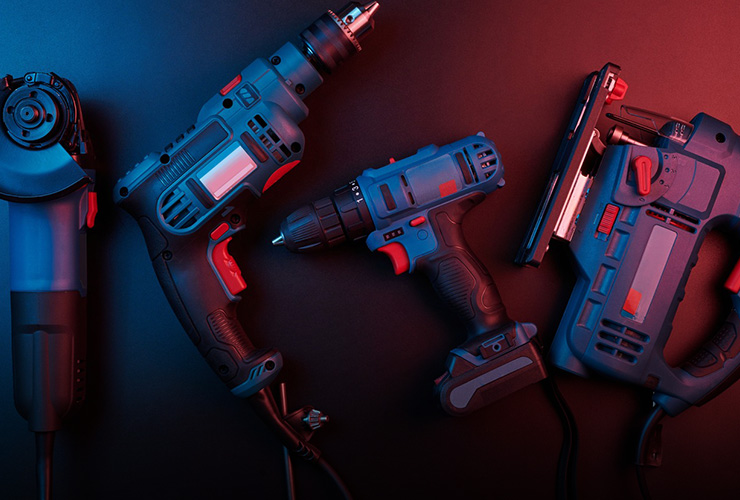
Power tools require durable metal components capable of withstanding high torque, vibration, and continuous op...
View More
Household appliances rely on reliable and cost-efficient components to ensure smooth operation and long servic...
View More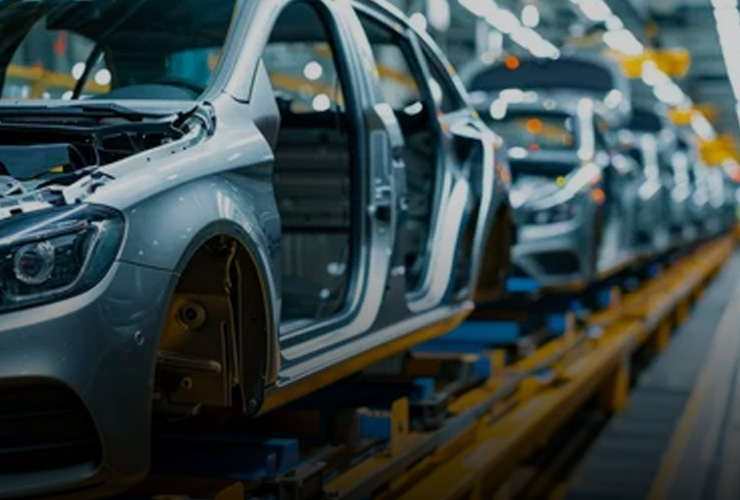
The automotive industry requires precision metal components that meet strict performance and durability standa...
View MoreBack to Top
