Optimization Strategy of Corrosion and Wear Resistance Performance
Material Selection Optimization
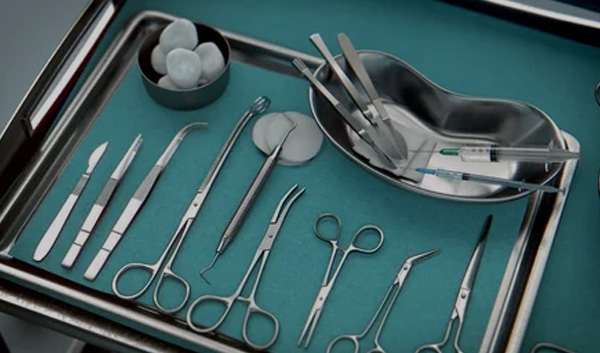
Material performance is the fundamental guarantee for the corrosion and wear resistance of surgical instrument components. At present, medical stainless steel is the mainstream material for surgical instruments, but conventional stainless steel has limited wear resistance and poor corrosion resistance in complex disinfection environments. By optimizing the material ratio, high-performance medical alloy materials with high hardness, strong corrosion resistance and good biocompatibility are selected. The optimized materials have uniform internal structure, excellent oxidation resistance and electrochemical stability, which can effectively resist the erosion of disinfectants and body fluids, and improve the surface hardness and friction resistance of components. On the premise of meeting medical biological safety standards, it fundamentally reduces the probability of wear and corrosion failure of core components.
Surface Strengthening Treatment Technology
Surface modification and strengthening treatment is an efficient means to improve the comprehensive performance of surgical instrument components without changing the matrix material. Common optimization processes include precision polishing, passivation treatment, micro-arc oxidation and physical vapor deposition coating. The ultra-fine precision polishing process can reduce the surface roughness of components, eliminate surface micro-defects, reduce friction coefficient, and avoid residual dirt and bacteria caused by rough surfaces. Medical passivation treatment can form a dense and stable protective passivation film on the metal surface, which isolates the contact between the matrix and external corrosive media and significantly improves the corrosion resistance of components. The high-performance coating prepared by micro-arc oxidation and vapor deposition technology has the advantages of high bonding strength, wear resistance and anti-oxidation, which can further enhance the surface wear resistance and durable protection performance of core components, and adapt to long-term repeated disinfection and clinical use.
Structural Parameter Optimization Design
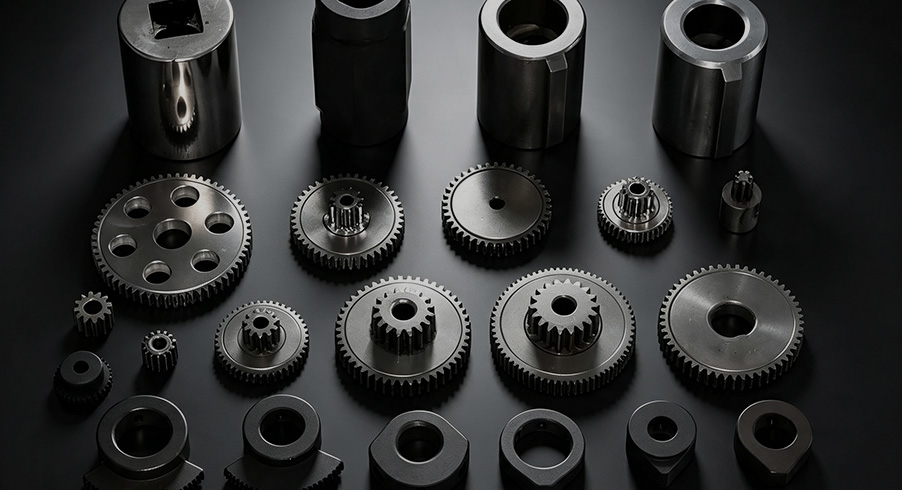
A reasonable structural design can effectively reduce the friction and corrosion probability of components in use. By optimizing the structural parameters of core components such as tooth profile, matching gap and contact angle, the stress concentration and local friction overload in the operation process are avoided. Optimize the arc transition design of sharp parts and easily worn parts of the instrument to reduce friction loss during contact and movement. At the same time, design a smooth and seamless structural form for the parts that are easy to accumulate dirt and be corroded, reduce the dead angle of disinfection, avoid long-term retention of corrosive media, and effectively slow down the corrosion and wear aging rate of core components.
Improvement of Component Processing Technology
Precision Machining Process Optimization
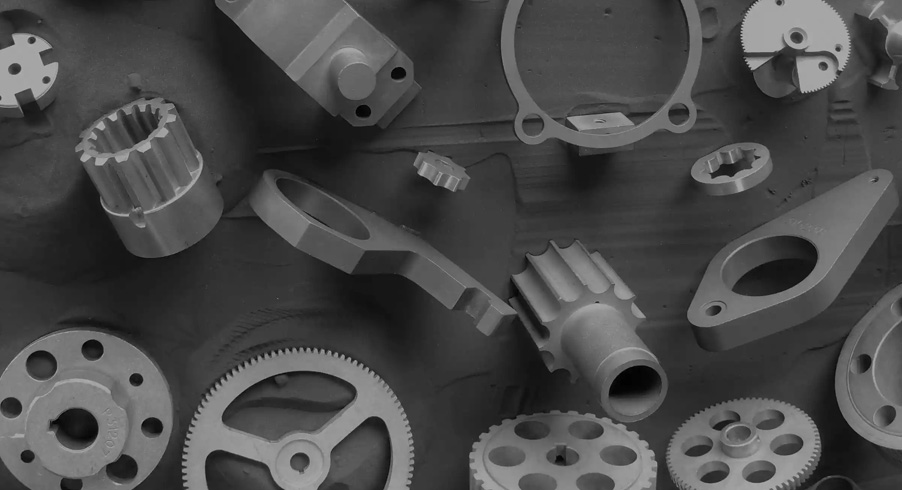
The processing accuracy and surface quality of components directly determine their wear resistance and service stability. Traditional processing methods are prone to produce tool marks, surface burrs and dimensional errors, resulting in uneven stress and accelerated local wear of components. By adopting high-precision CNC machining, ultra-precision grinding and fine finishing technology, the dimensional tolerance and shape tolerance of core components are strictly controlled, and the consistency of component processing accuracy is improved. Optimize the machining tool path and cutting parameters to reduce machining residual stress, avoid micro-cracks and structural defects on the component surface, ensure the integrity and uniformity of the component structure, and lay a foundation for improving corrosion and wear resistance.
Heat Treatment Process Improvement
Reasonable heat treatment can optimize the internal metallographic structure of the material, improve the hardness, toughness and fatigue resistance of the component, and enhance the overall wear resistance. By improving the quenching, tempering and annealing processes of medical metal materials, the internal stress of processed components is eliminated, the material structure is refined, and the matching degree of hardness and toughness is optimized. The improved heat treatment process avoids the problems of insufficient hardness, poor toughness and easy deformation of components, ensures that the core components maintain stable mechanical performance during frequent friction and repeated disinfection, and reduces wear and structural failure caused by material performance defects.
Establish a full-process processing quality control system for surgical instrument components. Conduct strict detection and screening on raw material performance to ensure that all materials meet medical grade standards. Monitor and detect key links such as machining, heat treatment and surface strengthening in real time, and eliminate unqualified components with surface defects and dimensional errors. Carry out sampling inspection on the wear resistance, corrosion resistance and biocompatibility of finished components to ensure that all performance indexes meet clinical application requirements, and realize standardized and high-quality processing and production of core surgical instrument components.
Strict Process Quality Control
The corrosion and wear failure of core surgical instrument components is an important factor affecting clinical safety and instrument service life. Through the multi-dimensional optimization of material selection, surface strengthening and structural design, combined with the improvement and innovation of precision machining and heat treatment technology, the comprehensive performance of surgical instrument components can be effectively improved. The optimized processing technology and performance optimization scheme can significantly enhance the corrosion resistance and wear resistance of core components, reduce component failure rate and replacement cost, ensure the precision stability and biological safety of surgical instruments in long-term clinical use, and provide reliable technical support for safe and efficient surgical diagnosis and treatment.